
In today’s competitive restaurant industry, standing out is essential. One of the most effective ways to enhance customer experience and boost sales is through restaurant menu boards, especially digital ones. A well-designed digital menu board can modernize a restaurant, improve efficiency, and create an engaging experience for customers. Below, we explore the numerous benefits of having restaurant menu boards and why they are a must-have for any food establishment.
1. Enhanced Customer Experience
A restaurant’s success relies heavily on customer satisfaction, and a restaurant menu boards plays a critical role in this. Digital menu boards make ordering easier by providing clear visuals, organized menus, and attractive designs that appeal to customers.
- Clear Visuals: One of the most compelling advantages of digital menus lies in their ability to present high-definition images and captivating animations. Visual cues go beyond mere information; they evoke emotions and stimulate appetites. When customers can visualize their food options with such clarity and detail, decision-making becomes significantly easier and more enjoyable. It minimizes uncertainty and helps them feel confident in their choices, leading to greater satisfaction and potentially larger orders. Furthermore, the use of animations, such as a gentle ripple effect on a drink or a subtle movement in a dish’s ingredients, can draw the eye and highlight specials, creating a dynamic and interactive browsing experience.
- Organized Menus: Beyond aesthetics, digital menus excel in their capacity for well-structured and intuitive organization. Traditional paper menus can often feel cluttered and overwhelming, making it difficult for customers to find what they’re looking for. Digital platforms, however, allow for logical categorization, clear headings, and even searchable options. By streamlining the flow of information, digital menus enhance the overall ordering process, making it quicker, more efficient, and ultimately, a more pleasant experience for the customer. This efficiency also benefits the restaurant by potentially increasing table turnover and reducing order errors.
- Attractive Designs: Finally, digital menus offer unparalleled flexibility in creating visually engaging layouts that truly grab attention and elevate the overall dining atmosphere. Unlike static paper menus, digital designs can be easily updated and customized to reflect seasonal offerings, daily specials, or even the restaurant’s brand aesthetic. The ability to incorporate dynamic backgrounds, striking typography, and consistent branding across all digital displays creates a cohesive and immersive dining experience. This visual sophistication can make a restaurant stand out, leaving a lasting positive impression on customers and encouraging repeat visits.
2. Increased Sales and Upselling Opportunities
Restaurants can use digital menu boards to highlight promotions, suggest add-ons, and display high-margin items effectively.
- Strategic Placement: To maximize sales and customer satisfaction, restaurants should highlight best-sellers, seasonal items, and combo deals/upsells on their menus. Best-sellers, with their proven popularity, can be featured using larger fonts or prominent placement. Seasonal items offer novelty and capitalize on fresh produce. Combo deals and upselling complementary items can increase the average check size and provide value to customers, especially when staff are trained to make effective recommendations.
- Dynamic Content: Limited-Time Offers (LTOs) and Flash Deals are promotional strategies. LTOs are special dishes or promotions available for a short period to create excitement, promoted through various channels. Flash Deals are time-sensitive discounts designed to encourage immediate purchases, particularly during off-peak hours or to reduce excess inventory.
- Data-Driven Suggestions: AI leverages past customer data, including preferences and habits, to suggest complementary items, thereby personalizing the customer experience. This fosters loyalty and can increase order value by subtly influencing choices.
3. Easy Menu Updates and Cost Efficiency
Unlike traditional printed menus, digital restaurant menu boards allow for easy updates without reprinting costs.
- Instant Updates: One of the most compelling benefits is the ability to implement instant updates. Menu items, prices, and promotions can be modified in real time with just a few clicks. This eliminates the delays and expenses associated with traditional printing. Restaurants can quickly introduce daily specials, limited-time offers, or seasonal dishes without incurring additional printing costs. Furthermore, digital boards allow for dynamic content such as high-resolution images, tempting videos of dishes, or even animated graphics, which can significantly enhance the visual appeal and entice customers more effectively than static printed menus.
- Cost Savings: By reducing the need for paper and ink, digital menu boards lead to substantial cost savings. This not only lowers overall operational costs but also contributes to a more sustainable and environmentally friendly business model. The initial investment in digital screens is quickly recouped through the elimination of recurring printing expenses, especially for restaurants with frequent menu changes or promotions.
- Adaptability: Digital menu boards provide unparalleled adaptability. Restaurants can respond quickly to a variety of internal and external factors. This includes swift adjustments to reflect changes in the supply chain, such as sudden ingredient availability or shortages. They can also seamlessly incorporate seasonal items as they become available or adapt to evolving customer preferences and dietary trends. This flexibility allows restaurants to remain agile and competitive in a dynamic market.
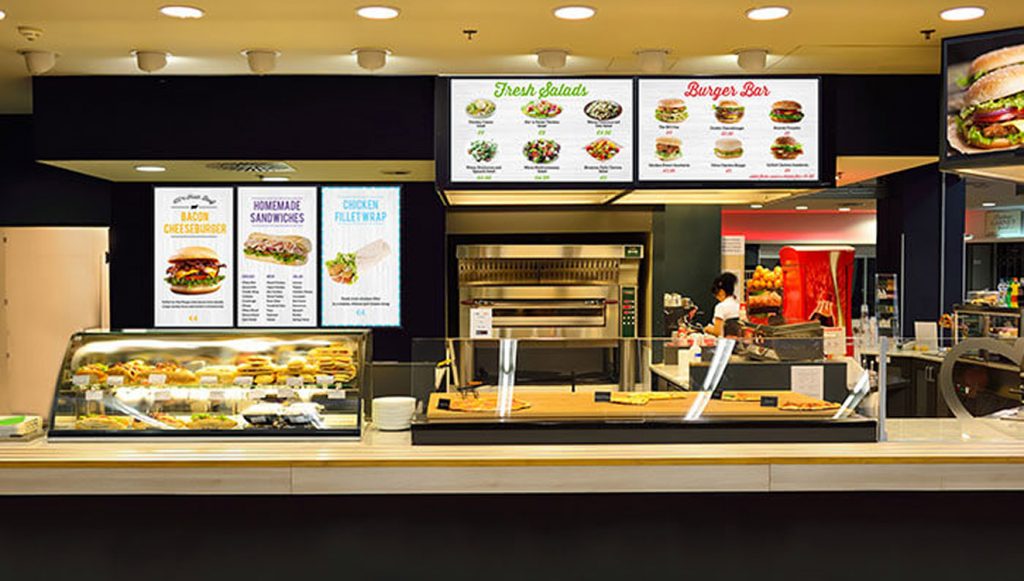
4. Brand Consistency and Aesthetic Appeal
A professionally designed digital restaurant menu boards enhances a brand identity.
- Customizable Design: Digital menu boards offer unparalleled flexibility in design, allowing restaurants to precisely control fonts, colors, and graphics. This ensures seamless integration with the existing brand identity, reinforcing a consistent and memorable image across all customer touchpoints. From logos to specific color palettes, every visual element can be carefully tailored to reflect the restaurant’s unique personality and brand story.
- Professional Appearance: The transition to digital displays instantly elevates a restaurant’s aesthetic. Digital boards project a sleek, modern, and polished image, significantly enhancing the overall ambiance and making the establishment more appealing to customers. This professional presentation contributes to a perception of quality and attention to detail, which can positively influence customer experience and loyalty.
- Theme Integration: Regardless of a restaurant’s concept, be it a casual fast-food joint, an upscale fine dining establishment, a cozy cafe, or a vibrant themed restaurant, digital boards can be fully adapted to match and enhance its specific style and theme. This adaptability allows for dynamic changes to reflect seasonal menus, special promotions, or even time-of-day specific offerings, ensuring the display always resonates with the restaurant’s current operational and marketing strategies. The ability to integrate seamlessly into diverse environments makes digital signage a versatile tool for any culinary venture.
5. Reduced Perceived Wait Times
When customers have engaging visuals and dynamic content to look at, they feel like their wait time is shorter.
- Entertainment Value: Instead of customers idly waiting, digital screens can become a source of engaging entertainment. This can range from visually appealing animations that highlight ingredients or cooking processes to showcasing chef recommendations with enticing descriptions. Furthermore, incorporating fun facts about food, the restaurant’s history, or even local trivia can provide a welcome distraction, making wait times feel shorter and more enjoyable.
- Queue Management: Digital displays are invaluable tools for streamlining operations and reducing customer anxiety during busy periods. By providing real-time updates on order status, customers can be informed when their food is being prepared, cooked, or is ready for collection. This transparency significantly reduces impatience and the need for staff intervention, leading to a smoother and more efficient queue flow. Clear visual cues can also direct customers to specific pick-up points, further minimizing confusion.
- Customer Engagement: The interactive potential of digital displays opens up new avenues for customer engagement. During peak hours, when waiting is inevitable, interactive content can transform passive waiting into an active and enjoyable experience. This could involve simple quizzes related to food or general knowledge, engaging food trivia that educates and entertains, or even polls asking for customer preferences. Such interactive elements not only entertain but can also create a sense of community and connection with the brand, fostering a more memorable visit.
6. Eco-Friendly Solution
Sustainability is becoming increasingly important for businesses, including restaurants.
- Reduced Paper Waste: One of the most immediate and impactful environmental benefits is the drastic reduction in paper waste. Traditional menus require frequent printing, especially when specials change, prices are updated, or new dishes are introduced. This constant printing leads to a substantial consumption of paper and ink, both of which have environmental footprints. Digital boards eliminate this need. Updates can be made instantly and electronically, saving countless sheets of paper from being discarded and ultimately ending up in landfills. This not only conserves natural resources but also reduces the energy and water used in paper production and disposal.
- Energy Efficiency: Many modern digital restaurant menu boards utilize LED screens. LED technology is renowned for its energy efficiency, consuming significantly less electricity compared to older forms of signage or even traditional backlit menu displays. This lower energy consumption translates directly into a reduced carbon footprint for the restaurant. By opting for energy-efficient digital signage, establishments can contribute to mitigating climate change and lower their operational energy costs simultaneously. Furthermore, some advanced digital displays incorporate features like automatic brightness adjustments based on ambient light, further optimizing energy usage throughout the day.
- Sustainable Branding: For restaurants committed to sustainability, digital menu boards provide a powerful platform to reinforce their eco-friendly initiatives. By visibly adopting a technology that reduces waste and consumes less energy, restaurants can demonstrate their commitment to environmental responsibility. This can be a significant draw for environmentally conscious customers who actively seek out businesses aligning with their values. Restaurants can even leverage their digital screens to explicitly promote their sustainable practices, such as sourcing local ingredients, composting, or using renewable energy. This transparency builds trust and strengthens the brand image, attracting a growing segment of the market that prioritizes sustainability in their dining choices.
7. Flexibility for Different Times of the Day
A significant advantage of digital restaurant menu boards is the ability to change menus automatically based on the time of day.
- Automated Scheduling: One of the key advantages is the ability to automate menu changes based on the time of day. Breakfast, lunch, and dinner menus can switch seamlessly and automatically without any manual intervention from staff. This eliminates the need for physical menu changes, saving time and labor costs, and ensuring that the correct offerings are always displayed. This automation extends beyond just meal periods, allowing for seasonal specials, daily promotions, or even happy hour menus to be programmed and displayed at precise times.
- Personalized Offers: Digital boards can dynamically display time-sensitive promotions and personalized offers. This capability encourages customers to visit during specific meal periods or to try particular items. This targeted marketing can significantly boost sales and customer traffic during off-peak hours or for specific menu items. The flexibility to quickly update and rotate promotions also allows businesses to test different marketing strategies in real-time.
- Reducing Customer Confusion: A common frustration for customers in traditional dining settings is ordering an item only to be told it’s unavailable. Digital menu boards effectively eliminate this issue by only showing available items. When an item runs out, it can be immediately removed or marked as “sold out” on the digital display, preventing customers from ordering unavailable meals and avoiding potential disappointment or delays. This real-time inventory management leads to a smoother ordering process and a more positive customer experience.
8. Better Communication and Clarity
Clear and easy-to-read menus reduce ordering errors, leading to a smoother customer experience.
- Allergen Information: For customers with dietary restrictions, such as those with allergies to nuts, dairy, gluten, or shellfish, easily identifiable icons or detailed ingredient breakdowns on digital boards ensure they can confidently choose safe options, preventing potential health risks and enhancing their dining experience. This proactive approach builds trust and demonstrates a commitment to customer well-being.
- Nutritional Details: Displaying calorie counts, fat content, sugar levels, and comprehensive ingredient lists empowers health-conscious diners to make informed choices that align with their dietary goals. Whether they are tracking macros, managing specific health conditions like diabetes or heart disease, or simply aiming for a balanced diet, access to this information helps them customize their meals and feel in control of their dining decisions.
- Language Adaptability: Digital menu boards are invaluable in increasingly multicultural environments. The ability to instantly switch between multiple languages, English, Spanish, French, Mandarin, or any other relevant language, ensures that diverse customer bases feel welcomed and understood. This not only improves accessibility but also enhances the overall customer experience by removing language barriers and allowing everyone to comfortably browse and order from the menu. This feature is particularly beneficial in tourist destinations or areas with high immigrant populations, significantly broadening a restaurant’s appeal.
9. Competitive Edge Over Traditional Menus
In a fast-evolving industry, staying ahead of the competition is crucial.
- Tech-Savvy Appeal: Digital restaurant menu boards immediately signal to customers that the establishment is modern, forward-thinking, and embraces technological advancements. This resonates particularly well with tech-savvy diners who appreciate efficiency and innovation. By showcasing a commitment to cutting-edge solutions, restaurants can cultivate a contemporary image that sets them apart from competitors and attracts a broader, more digitally-inclined customer base. This perception of being up-to-date can also extend to other aspects of the dining experience, implying efficient service and a sophisticated atmosphere.
- Increased Customer Trust: A professional and well-maintained menu is a cornerstone of building customer trust. Digital menu boards inherently offer a polished and sophisticated aesthetic that static, printed menus often lack. The ability to easily update and correct information in real-time eliminates the possibility of outdated prices or unavailable items, which can be a source of frustration and mistrust for customers. This real-time accuracy, combined with high-quality visuals and clear, legible text, enhances the restaurant’s credibility and assures customers that they are dealing with a professional and detail-oriented establishment.
- Better Engagement: Perhaps one of the most significant advantages of digital menu boards is their ability to create a dynamic and interactive dining experience. Unlike static menus that offer a one-dimensional view, digital boards can captivate customers with vibrant imagery, enticing videos of dishes, and even animated specials. This visual engagement is highly effective in stimulating appetites and encouraging impulse purchases. Furthermore, the flexibility to schedule different menus for various times of the day (e.g., breakfast, lunch, dinner) or to highlight daily specials with animated graphics keeps the dining experience fresh and exciting. This interactivity not only attracts tech-savvy customers but also caters to a wider audience by providing a more engaging and memorable way to explore the menu. The visual appeal can also help to tell a story about the food, its ingredients, and its preparation, further enriching the customer’s connection with the restaurant.
10. Integration with Other Technologies
Digital Restaurant menu boards can integrate with point-of-sale (POS) systems, mobile apps, and self-ordering kiosks, enhancing the restaurant’s overall efficiency.
- Seamless Ordering: Integrating POS systems with digital menu boards is a game-changer for operational efficiency. It drastically reduces the chances of manual entry errors that can lead to incorrect orders and customer dissatisfaction. More importantly, it significantly speeds up service times, especially during peak hours, allowing staff to focus on customer interaction rather than repetitive data entry. This streamlined process not only improves accuracy but also enhances the overall customer experience by providing quicker and more reliable service.
- Loyalty Programs: Digital menu boards are an ideal platform for showcasing and promoting loyalty programs and special offers. By prominently displaying reward schemes, point systems, and current promotions, restaurants can effectively encourage repeat visits and foster customer loyalty. These visually engaging displays can highlight the benefits of joining a program, entice customers with exclusive discounts, or inform them about upcoming events, all contributing to a stronger customer base and increased sales.
- Remote Management: For restaurants operating multiple locations, the ability to remotely manage and update digital menu boards from a central system is invaluable. This feature eliminates the need for on-site manual updates at each location, saving significant time and resources. It ensures brand consistency across all branches, allowing for immediate menu changes, price adjustments, or promotional updates from a single point of control. This centralized management system offers unparalleled flexibility and responsiveness, enabling businesses to adapt quickly to market changes or operational needs.
Comparison Between Digital Menu Boards and Traditional Restaurant Menu Boards
While both digital and traditional restaurant menu boards serve the purpose of displaying menu items, they differ significantly in various aspects:
| Feature | Traditional Menu Boards | Digital Menu Boards |
|---|---|---|
| Cost Efficiency | Require frequent reprinting and redesigning, leading to recurring costs. | Allow instant updates without additional printing expenses, making them cost-effective in the long run. |
| Aesthetic Appeal | Limited design options with static layouts. | Offer dynamic visuals, animations, and high-quality images for an engaging experience. |
| Flexibility and Updates | Changes require physical modifications and reprinting. | Menus can be updated instantly, offering better adaptability to seasonal changes or price adjustments. |
| Customer Engagement | Provide basic menu information but lack interactive features. | Allow for engaging content such as promotional videos, chef recommendations, and customer interactions. |
| Sustainability | Involves high paper and ink usage, increasing environmental impact. | Reduce waste by eliminating the need for constant reprinting. |
| Efficiency in Service | Can sometimes lead to ordering confusion if not clearly designed. | Enhance clarity with visually structured menus, reducing ordering errors and improving service speed. |
Conclusion
The benefits of having restaurant menu boards especially digital ones are undeniable. From boosting sales and enhancing customer experience to reducing costs and improving efficiency, digital menu boards have become an essential tool for modern restaurants. As the industry continues to evolve, embracing this technology will help restaurants stay relevant, competitive, and customer-friendly.
By investing in a restaurant menu board, businesses can create a visually appealing, efficient, and engaging dining environment that keeps customers coming back for more. Whether it’s a small cafe or a large restaurant chain, digital menu boards are a game-changer that elevates the entire dining experience.