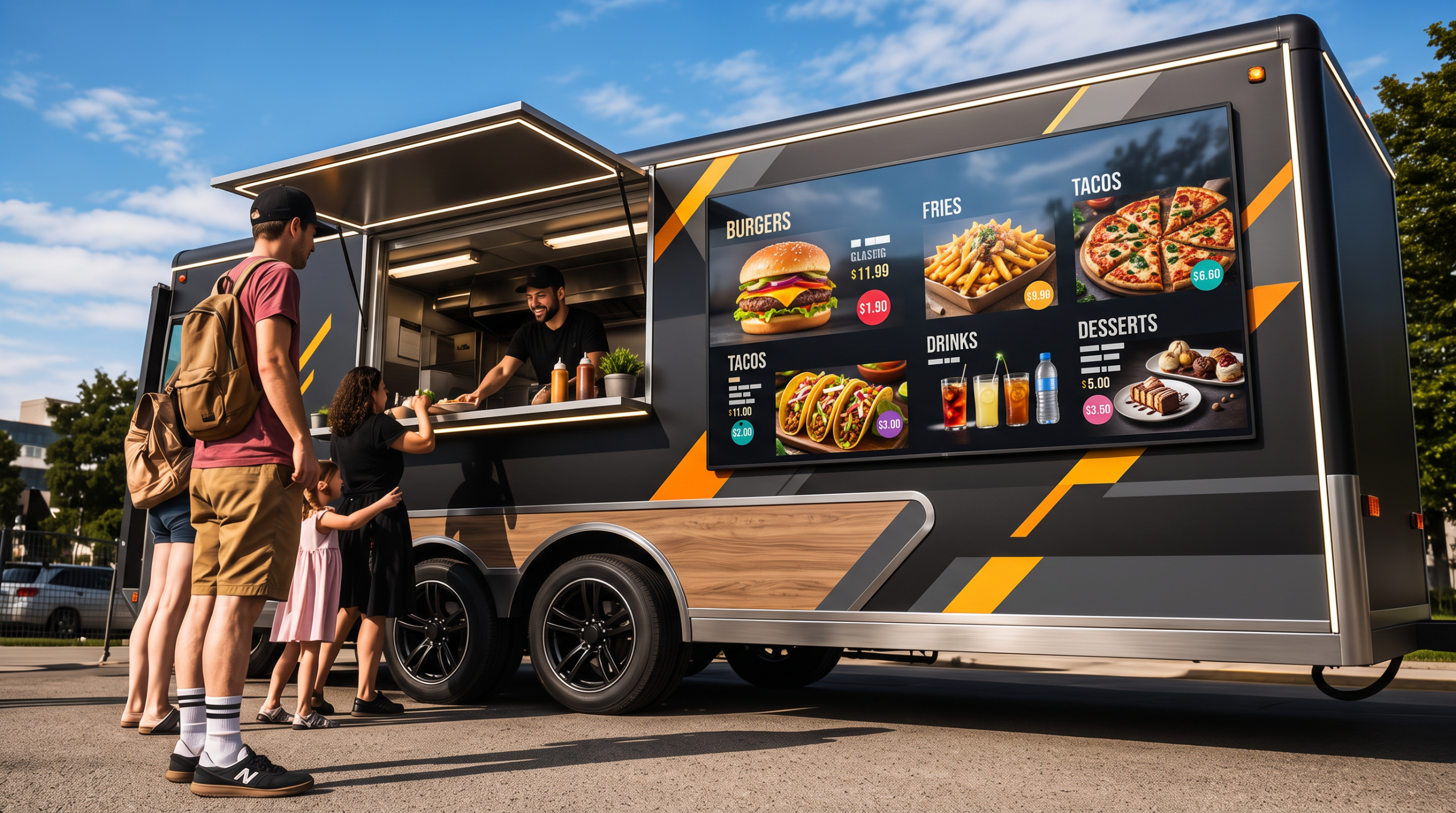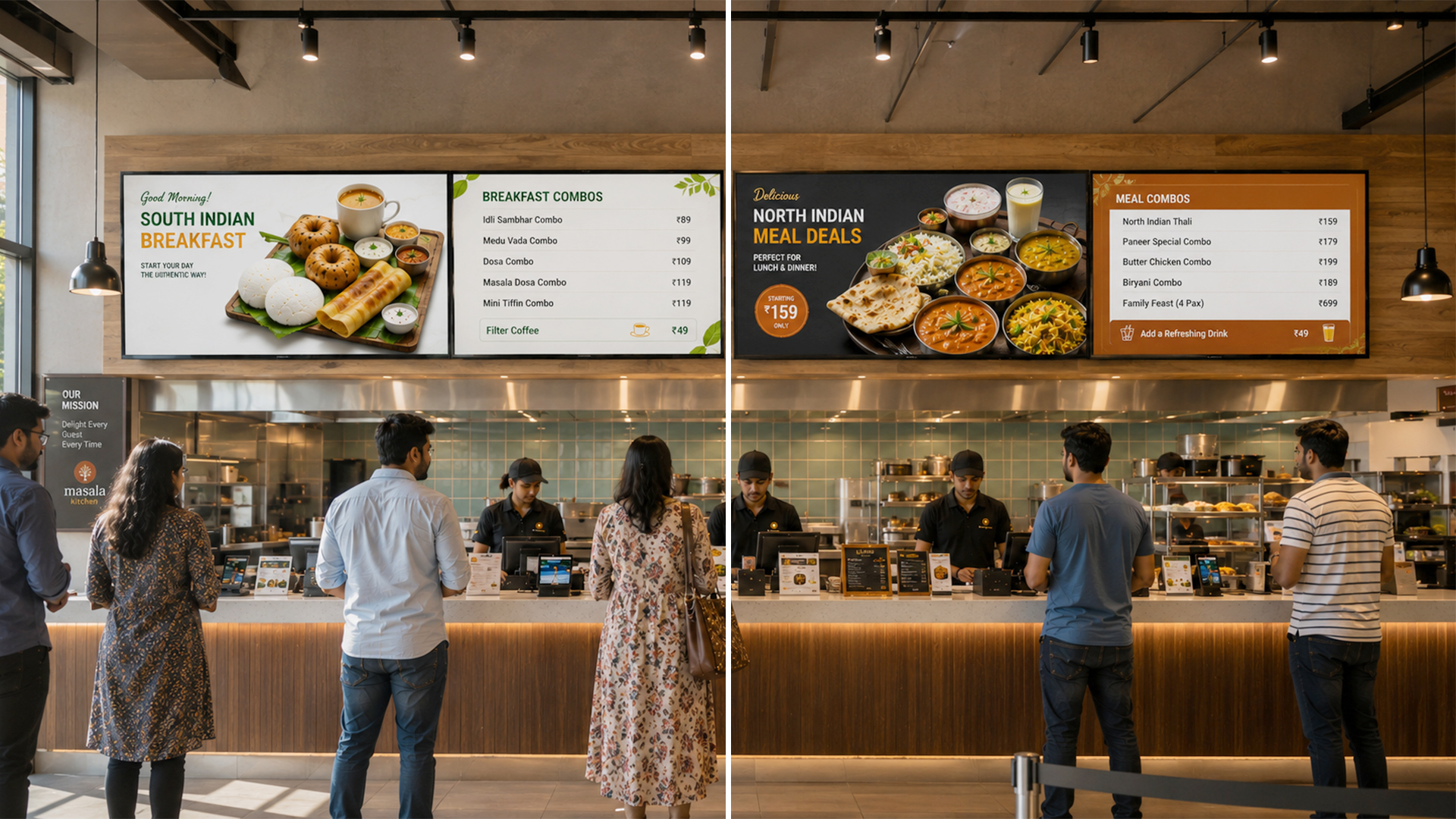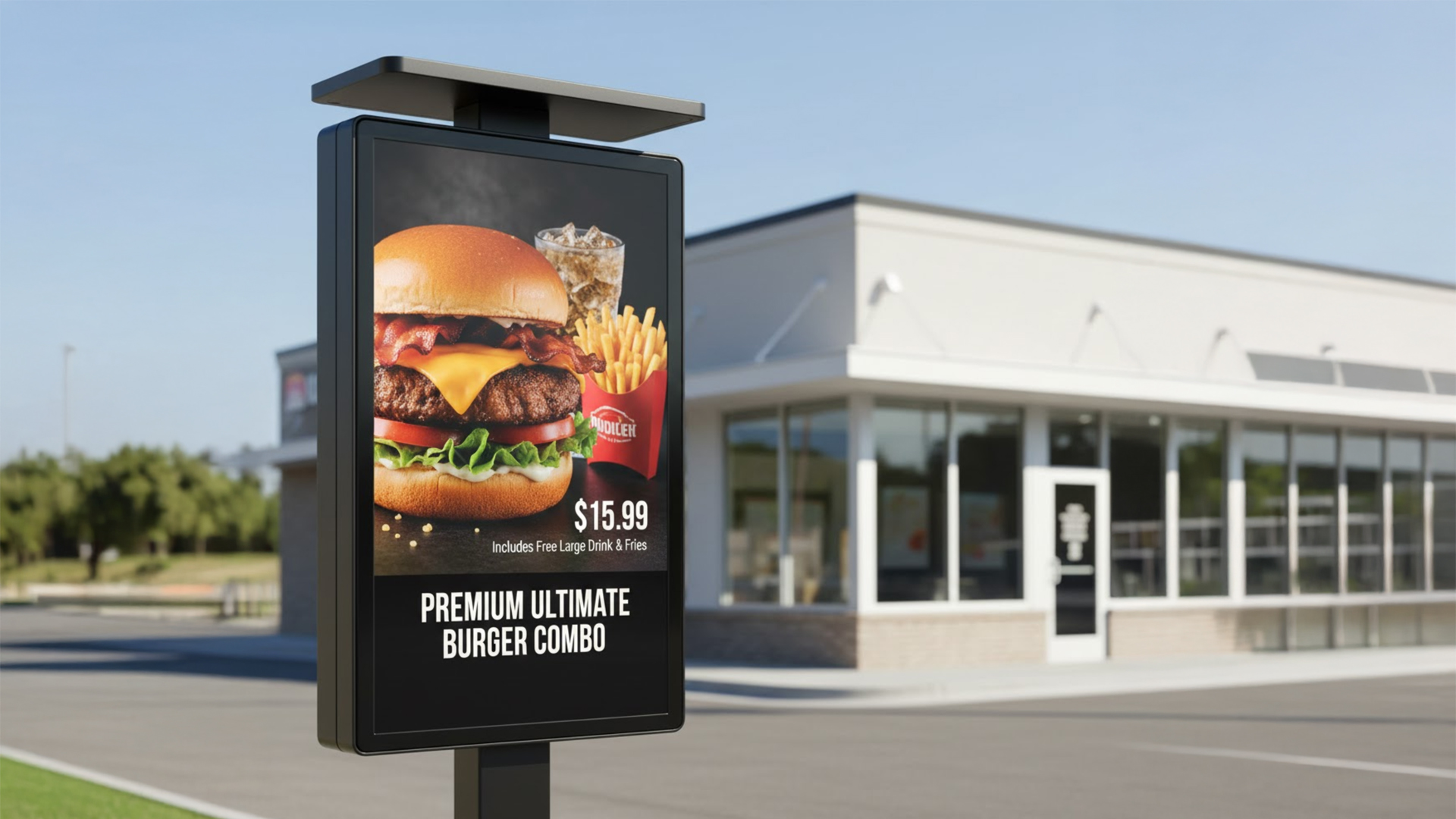
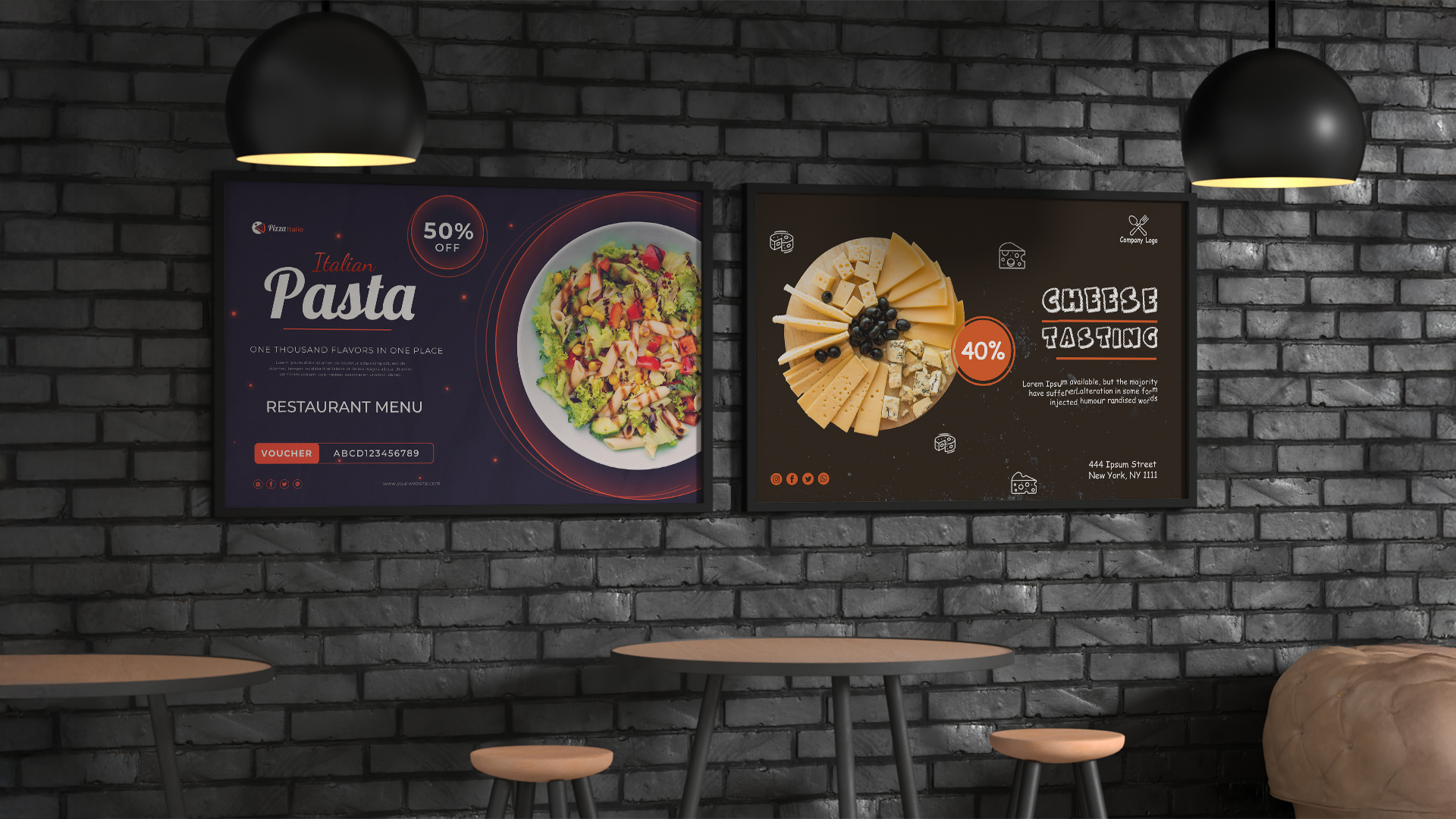
Remember the last time you walked into McDonald's or Burger King and noticed something different? Those old paper menus hanging above the counter have been replaced by bright, colorful digital screens that seem to change right before your eyes. This isn't just a fancy upgrade to look modern; it's a carefully planned business strategy that has helped fast food chains increase their sales by incredible amounts. When customers see mouth-watering images of burgers sizzling on screen or limited-time offers flashing with countdown timers, they're more likely to spend more money than they originally planned.
The transformation from traditional static menus to dynamic digital menu boards represents one of the most successful retail innovations of the past decade. Fast-food restaurants discovered that these smart screens could do much more than just display food items and prices. They could influence customer behavior, reduce wait times, and create personalized experiences that keep people coming back for more. Major chains like McDonald's, Taco Bell, KFC, and Subway have invested millions of dollars into this technology because they've seen amazing results.
In this article, we will explore real-world examples of how digital menu boards have transformed the game for fast-food businesses. We'll look at specific case studies, examine the technology behind these systems, and understand why customers respond so positively to digital displays. You'll discover the surprising psychology behind menu design and learn how small changes on a screen can lead to big increases in profits.
The Digital Menu Revolution: What Changed and Why It Matters
Digital menu boards started appearing in fast-food restaurants around 2012, but they really took off after 2018, when the technology became more affordable and reliable. These aren't just fancy TV screens showing pictures of food; they're digital menu boards that can change content based on time of day, weather, inventory levels, and even customer demographics.
For example, McDonald's digital menus automatically switch from breakfast items to lunch options at exactly 10:30 AM, and they highlight cold drinks on hot summer days while promoting warm beverages during winter months.
The old paper menus had several problems that restaurant owners didn't fully realize until they switched to a digital menu board. Updating prices or adding new items required printing new signs, which cost money and took time. Staff had to manually update promotional materials, and there was no way to test which menu layouts best increased sales. Customers often couldn't see the menu clearly from a distance, especially if the restaurant was crowded. These issues might seem small, but they add up to lost revenue over time.
Digital menu boards solved these problems while creating new growth opportunities. Restaurant managers can now update their entire menu system from a computer in minutes instead of hours. They can run A/B tests to see which food descriptions make customers more likely to buy, and they can instantly promote items that need to be sold before they expire. The screens are bright and easy to read from far away, which helps reduce the time customers spend deciding what to order. This faster decision-making process means shorter lines and happier customers.
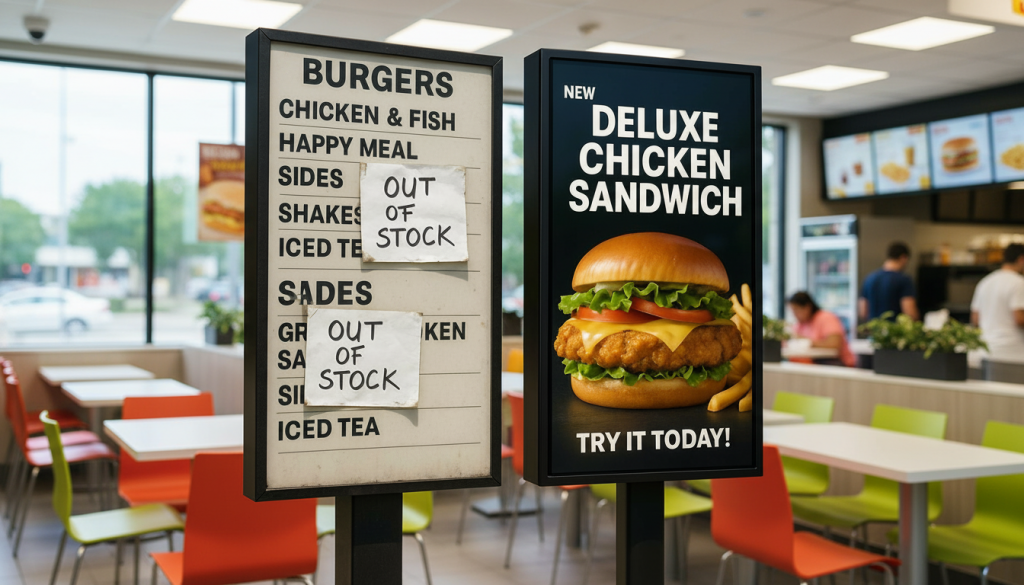
The visual impact of digital menus cannot be understated. High-definition photos and videos make food look more appetizing than static images ever could. When you see a burger with melted cheese slowly dripping down the sides or steam rising from hot French fries, your brain responds differently than it would to a simple text description. This psychological response translates directly into increased sales, which explains why restaurants have been so eager to adopt this technology despite the significant upfront investment required.
The Technology Behind the Magic
Understanding the technology that powers digital menu boards helps explain why they're so effective at increasing sales. These systems consist of several integrated components working together seamlessly. High-definition display screens, usually 55-65 inches for optimal visibility, connect to digital menu boards capable of handling multiple video streams and real-time data updates. Cloud-based content management systems allow restaurant managers to control multiple locations from a central dashboard, making updates instantaneous across entire regions or franchises.
Integration with point-of-sale systems enables real-time inventory tracking and automatic menu adjustments. When the restaurant runs out of a particular item, it immediately disappears from the digital display, preventing disappointed customers and reducing staff workload. Similarly, items approaching their expiration dates can be automatically promoted with special pricing or featured more prominently to ensure they sell before spoiling. This level of automation significantly reduces food waste and improves profitability.
Weather integration APIs allow menus to respond to environmental conditions automatically. Restaurant chains have discovered that beverage sales can increase by 20-30% when the menu promotes appropriate drinks based on current weather conditions. On rainy days, the system might highlight warm soups and hot beverages, while sunny weather triggers promotions for salads, cold drinks, and ice cream products. This dynamic responsiveness to external factors creates a more relevant and appealing experience for customers while maximizing sales opportunities for restaurant owners.
The Numbers That Prove Digital Menu Boards Work
The financial impact of implementing digital menu boards has been thoroughly documented across the fast-food industry, with results that consistently exceed expectations. Industry-wide studies show that restaurants typically see a 3-8% increase in average order value within six months of installing digital menu boards. This improvement comes from several factors:
- Better visibility of menu items
- More effective cross-selling and upselling
- Reduced customer decision time,
which allows for higher throughput during peak hours.
Customer satisfaction scores have improved significantly at restaurants with digital menu systems. Survey data indicate that 78% of customers find digital menus easier to read and more helpful for decision-making than traditional printed materials. Wait times have decreased by an average of 12-15% because customers can see their options clearly from a distance and make decisions before reaching the counter. This improved efficiency benefits both customers and restaurant operators by increasing the number of transactions possible during busy periods.
The return on investment for digital menu board installations typically occurs within 18-24 months, despite the substantial upfront costs. Reduced printing costs, improved inventory management, and higher average order values combine to create significant ongoing financial benefits that continue growing over time.
What Restaurants Learned Along the Way
Despite the impressive success stories, implementing digital menus wasn't without challenges and learning opportunities. Many restaurants initially made the mistake of simply converting their existing paper menus into digital format without taking advantage of the new medium's unique capabilities. These early implementations saw minimal improvement because they failed to use the dynamic and interactive features that make digital menu boards so effective.
Technical difficulties posed significant obstacles during the early adoption phase. Screen failures, software glitches, and connectivity issues could bring operations to a halt if restaurants didn't have proper backup systems in place. Smart operators learned to maintain simplified backup displays and to train staff in manual procedures for handling technical emergencies. Regular maintenance schedules and relationships with reliable technical support providers became essential components of successful digital menu programs.
Staff training emerged as another critical factor that many restaurants initially underestimated. Employees needed to learn how to update content, troubleshoot basic problems, and help customers who might be confused by the new technology. Older customers, in particular, sometimes struggled with the transition from familiar paper menus to dynamic digital displays. Successful restaurants invested in comprehensive training programs and maintained physical menu cards for customers who preferred traditional formats during the transition period.
Content creation and management proved more complex than many restaurant owners anticipated. Creating high-quality images, videos, and animations requires specialized skills and equipment that most restaurant staff don't possess. Many businesses had to partner with marketing agencies or invest in professional photography to create compelling visual content. The ongoing need to refresh and update this content also requires dedicated resources and planning that go beyond traditional menu management processes.
The Psychology of Persuasion: Why Digital Menus Influence Customer Behavior
The effectiveness of digital menus isn't just about technology; it's rooted in psychological principles that influence how people make purchasing decisions. Color psychology plays a major role in menu design, with red and orange hues proven to stimulate appetite and create feelings of urgency. Digital displays can use these colors more effectively than printed materials because they can literally glow and pulse to grab attention. Fast food chains have discovered that highlighting high-margin items with warm, appetizing colors increases sales of those products by 15-25%.
Motion graphics and animation trigger what psychologists call the "orienting response," an automatic attention mechanism that draws our focus to moving objects. When a digital menu shows steam rising from hot food or cheese stretching as someone takes a bite, viewers involuntarily pay closer attention than they would to static images. This enhanced attention leads to better recall and a stronger desire for the featured items, translating directly into increased sales.
The concept of "analysis paralysis" explains why digital menu boards often lead to faster ordering and higher satisfaction. When customers face too many choices, they become overwhelmed and may make poor decisions or avoid purchasing altogether. Digital menu boards can combat this by highlighting recommended items, showing "most popular" selections, or using visual hierarchy to guide attention toward specific options. These subtle nudges help customers feel more confident about their choices while steering them toward higher-profit items.
Social proof elements integrated into digital menu boards further enhance their persuasive power. Showing "customer favorites," "trending now," or "most ordered today" creates the impression that other people have made similar choices and been satisfied. This psychological trigger is particularly effective for younger customers, who are heavily influenced by peer behavior and social validation in their decision-making.
Case Studies:
McDonald's Case Study: The $6 Billion Digital Transformation
McDonald's spent $6 billion between 2015 - 2020 to implement digital menu boards across its 40,000+ locations, resulting in a 4-6% sales increase in the first year. Their success stemmed from dynamic pricing based on demand, location, and time, as well as suggestive selling of complementary items. The system also personalizes content using local weather data and inventory, promoting cold drinks in hot weather or hot items in cold weather, and highlighting available products. This led to a 5.7% increase in same-store sales in 2019, enabling consistent branding and local customization and giving McDonald's a competitive edge.
Taco Bell's Creative Approach: Making Menus Fun and Interactive
Taco Bell took a different approach, focusing on engaging its younger demographic with animated, colorful digital menus. They use "menu storytelling" with animated sequences that show food preparation to convey freshness and reduce hesitation about new items. Gamification, like "mystery menus" with random discounts, increased visit frequency by 12%. Interactive touchscreens allow customers to customize orders visually, improving accuracy and increasing average order value. This combination of entertainment, interactivity, and visual appeal has driven Taco Bell's growth and innovative brand image.
Subway’s Digital Menu Boards Success Story
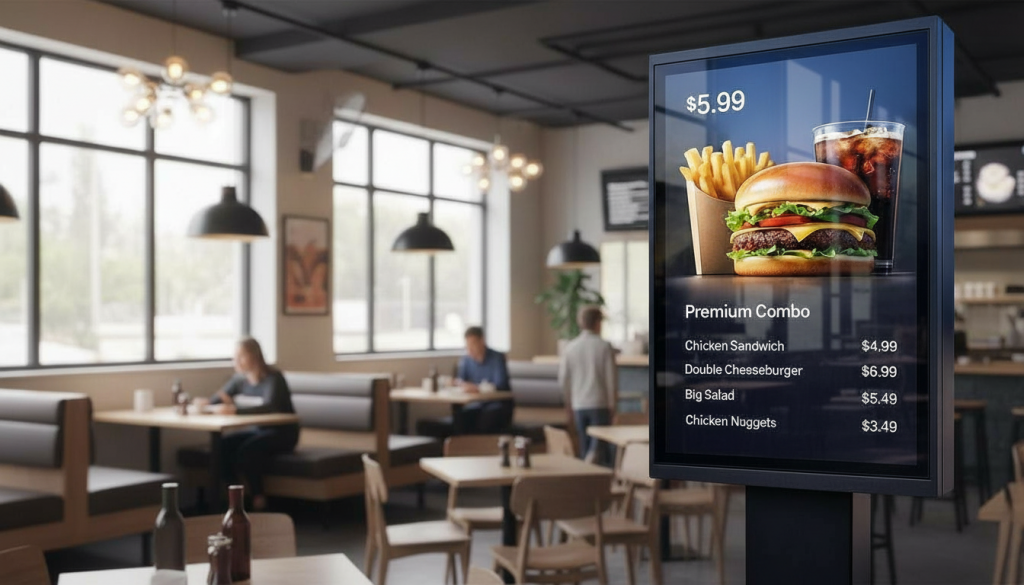
Subway provides an excellent example of measurable success with digital menu boards. After implementing digital displays across 5,000 locations in 2019, the company reported a 15% increase in combo meal sales and a 22% boost in beverage purchases. The digital menu boards made it easier for customers to see meal combinations and understand the value of bundled offers compared to individual items. Subway's data also showed that customers spent an average of 18% more per visit when ordering at locations with digital menus rather than traditional static displays.
Conclusion
The transformation of fast food menus from static paper displays to dynamic digital experiences represents one of the most successful retail innovations in recent history. Through case studies of industry leaders such as McDonald's, Taco Bell, and Subway, we've seen how the strategic implementation of digital menu technology can drive substantial increases in sales, customer satisfaction, and operational efficiency. The combination of visual appeal, dynamic content, and data-driven optimization has proven capable of influencing customer behavior in measurable and profitable ways.
The numbers speak for themselves: restaurants implementing digital menu boards typically see 3-8% increases in average order value, 12-15% reductions in wait times, and significant improvements in customer satisfaction scores. These benefits extend beyond immediate sales increases to include reduced printing costs, improved inventory management, and enhanced ability to respond quickly to market changes and promotional opportunities. The return on investment for these systems, while requiring substantial upfront capital, typically occurs within two years and continues generating value over time.
Perhaps most importantly, digital menu boards have demonstrated that technology adoption in the food service industry must go beyond simply digitizing existing processes. The most successful implementations have reimagined the entire customer experience, using psychology, personalization, and real-time data to create more engaging and persuasive interactions. Companies that treated digital menus as mere replacements for paper signs saw minimal improvement, while those that embraced the full potential of dynamic, interactive displays achieved remarkable results.
As we look toward the future, emerging technologies like artificial intelligence, augmented reality, and voice recognition promise to make digital menu boards even more powerful and effective. The restaurants that continue to innovate and adapt these technologies to their unique brand personalities and customer needs will maintain competitive advantages in an increasingly crowded marketplace. For restaurant owners considering digital menu board implementation, the evidence is clear: this technology isn't just a trendy upgrade; it's a proven strategy for sustainable growth and improved customer satisfaction.
The digital menu board revolution has fundamentally changed how fast food restaurants communicate with their customers, and the transformation is far from over. As technology continues to advance and customer expectations evolve, the restaurants that embrace these changes most effectively will be the ones that thrive in the competitive fast-food landscape of tomorrow.
It's time to create your own success story. The future of fast food lies in dynamic digital menu boards, not outdated static menus. Start leveraging the power of dynamic content, psychological persuasion, and real-time data optimization with Disploy. Our technology and intuitive content management system will help you redefine your sales strategies. Experience the digital menu revolution firsthand and see a rapid return on investment. Transform your customer experience, reduce wait times, and significantly increase your average order value.